Rodents are one of the most damaging household pests in Florida. Once they enter a home, they can cause structural damage, contaminate food, and multiply quickly in hidden areas like attics and wall voids. Because they are nocturnal and highly adaptive, rodent activity often goes unnoticed until the infestation is well established. Why Rodents Enter Florida Homes Rodents are driven by three main needs: Florida homes provide all three, especially during storms, heat waves, or heavy rain. 7 Common Warning Signs Even one of these signs can indicate active rodent movement. Why Attics Are a Primary Target Attics provide: Roof […]
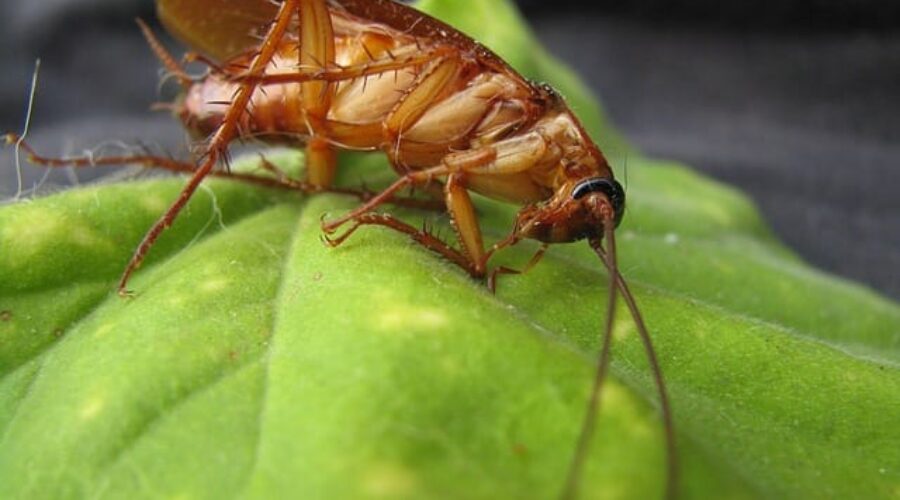
Seeing even one roach inside your home can be unsettling but in Florida, it often signals a much larger hidden issue. Roaches thrive in warm, humid environments, making South Florida one of the most active regions for infestations. Once they establish themselves, they multiply quickly and remain extremely difficult to eliminate without a targeted approach. Why Roaches Are So Common in Florida Roaches are attracted to: Even spotless homes can experience roach activity because water and shelter matter more than cleanliness alone. Types of Roaches Found in Homes German roaches – small, fast-spreading, often in kitchens American roaches – larger, […]
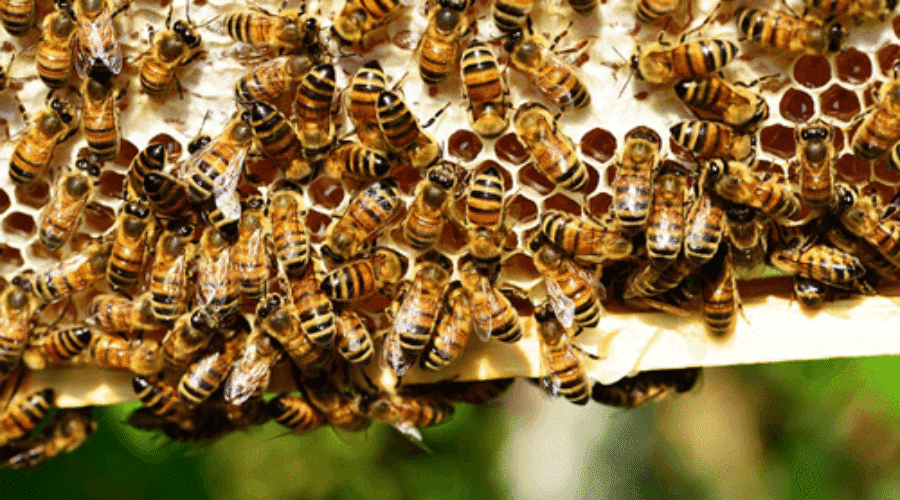
Bee and wasp activity in Florida increases significantly during warm months, especially in areas with dense landscaping, roof overhangs, and attic access points. While these insects play an important role in the environment, nests located near homes can quickly become a safety concern especially when disturbed. Why Bees and Wasps Choose Florida Homes Common nesting locations include: Florida’s heat and humidity create ideal nesting conditions almost year-round.es can experience roach activity because water and shelter matter more than cleanliness alone. The Danger of DIY Nest Removal Attempting to remove a nest without proper protection or technique can: Wasps and yellowjackets, […]
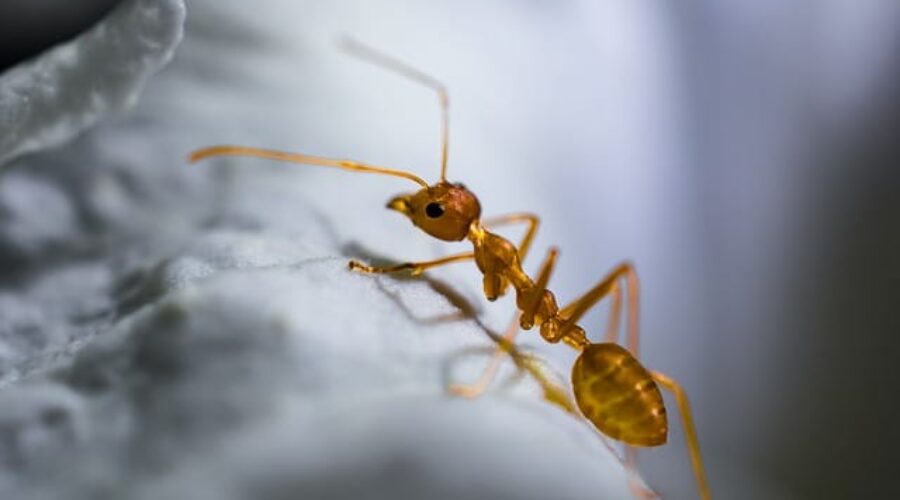
Recurring Ants in Florida are extremely common but what surprises most homeowners is how often they come back even after treatment. If you’ve noticed recurring ant trails in your kitchen, bathroom, or around windows, you’re likely dealing with a colony-level issue, not a surface problem. South Florida’s warm, humid climate creates ideal conditions for ants to thrive year-round. Once they find food and moisture inside a home, they rarely leave on their own. Why Ants Keep Returning Most DIY treatments only eliminate the ants you see. However, the main colony often remains hidden outdoors or inside wall voids, continuing to […]
According to the Center for Disease Control and Prevention (CDC), last year local mosquitoes transferred 222 cases of Zika virus, 216 in Miami, FL alone! Federal Funds have been approved for defense and research, to the tune of $1.1 Billion dollars, and while particularly in South Florida this helps to get ahead of any potential concerns, it will not totally protect residents from this threat. Aedes Aegypti, the breed of mosquito known for transmitting the virus, can also be linked to West Nile Virus, Dengue Fever, Chickungunya Fever, as well as Eastern Equine Encephalitis. Attached is an article from Pest […]
It’s already the First of March, which means Spring is right around the corner. For many it means trying to prepare their lawns for the rigors of the summer heat in the not too distant future. Experts at the University of Florida have devised an excellent guideline they refer to as Best Management Practices for Lawn Care, and it pertains exclusively to our great state. Attached to this post is vital information pertaining to Fertilization (Amount, Type, Timing, and Application Rates), Mowing schedules, and Irrigation schedules. We at Safe Home hope this information will be helpful in creating and maintaining […]
Florida Fall 2015 Forecast: Hot and humid Summer weather led to insects developing at a faster rate than normal. Due to this Termite activity may be ELEVATED in the Fall. Homeowners need to remain vigilant because these termites will not be visible until the Spring. Florida’s warm and humid climate allows for different species of termites to swarm throughout the year. Eastern subterranean termites tend to swarm during daylight hours between the months of October and February Neotermes castaneus swarm during dusk-nightfall between late Fall and early winter Western drywood termites swarm during daylight hours and swarms have been reported […]
One of the best-known summer pests, mosquitoes breed in stagnant water or soft soil. There are about 170 different kinds of mosquito species in North America alone. Habits Mosquitoes hunt for food by detecting body heat and the carbon dioxide humans exhale. However, only female mosquitoes suck our blood. Male mosquitoes feed on plant nectar. Habitat Mosquitoes can breed in any form of stagnant water, including ponds, marshes, floodwaters, storm drains, old tires and water in tree holes. Threats Mosquitoes are vectors of numerous diseases including malaria, yellow fever, dengue fever, encephalitis and West Nile virus – a disease that […]
The summer months usher in warm temperatures and plenty of sunshine, however, the season also brings with it plenty of bugs. While pests are problematic across the country, the National Pest Management Association (NPMA), compiled the list of the “Top 10 Buggiest Cities,” which will leave residents buying repellent in bulk and looking for ways to prevent infestations. According to traffic to NPMA’s website – www.pestworld.org – the “Top 10 Buggiest Cities” are: New York Los Angeles Chicago Washington, DC Philadelphia Atlanta Boston San Francisco-Oakland-San Jose Dallas-Ft. Worth Houston “While these 10 cities may be the buggiest, pests are plentiful […]
Summer is a time for outdoor gatherings, picnics, and fun! Unfortunately it is also a time when there is an increase of bugs in South Florida; and as we all know, nothing ruins a good party more than pests! From our friends at Pest World, 5 Tips to Keep Pests from Crashing your Outdoor Party Mosquitoes are most active at dusk and dawn, so if planning a barbecue before sunset, be sure to have plenty of insect repellent containing an EPA-registered active ingredient like DEET or Picaridin available for you and your guests Yellow jackets and other stinging insects are attracted […]
What Our Customers Say
Real reviews from real customers in South Florida

Recent Comments